
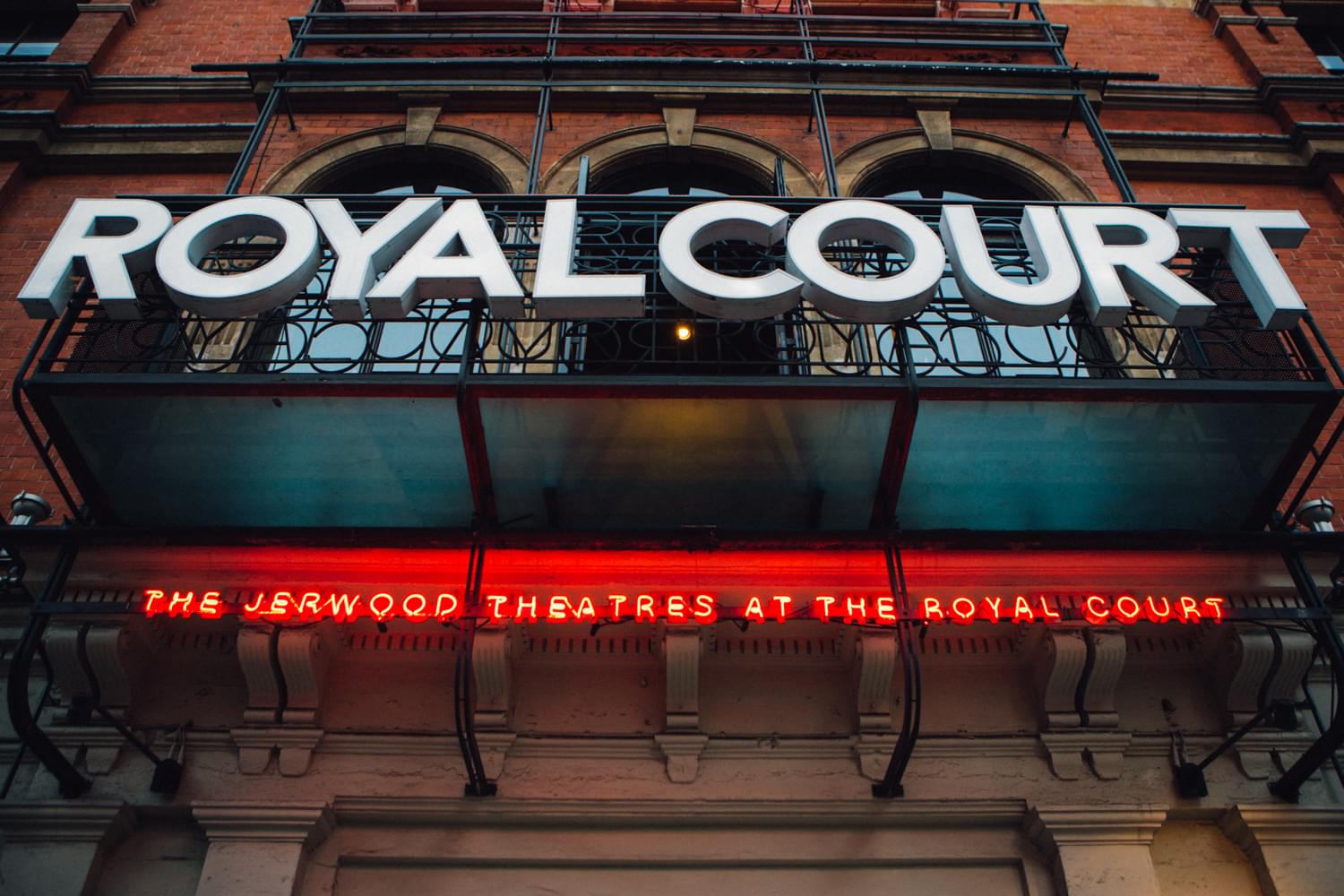
The venue continues its endeavour with international institutions to bring and boost the talent of authors from all around the world while helping them explore their craft and skills. Among playwrights from other countries, the upstairs auditorium will host the UK premiere of two original Mexican pieces, with a community-conscious theme as its main element.
“Everything can have beauty, even the worst horror”, cried the broken soul whose own personal tragedy brought so much joy and inspiration to the entire world. Yes, there’s indeed prettiness hiding even under the surface of the most harrowing things we can think of. Theatre has proven that fact in spades for centuries – and as longs as it remains faithful to its essence, it will keep doing so forever. Art is sensual, provocative and, of course, hurtful. It makes us think. But above all, it makes us feel – bonding us with realities we may have never heard of, but can be turned into our own in a matter of seconds. And however fast that sudden twinge of change may occur, its effects are, almost always, indelible.
The Royal Court Theatre continues its long-lasting endeavour to promote authors from every country and bring their voices, visions and talent onto the British stage. New Plays International, a playwriting workshop programme implemented throughout the last few years, carries on its collaborative initiative with venues and institutions from all around the globe – selecting new makers and helping them refine their craft, by allowing them to explore and experiment with their own technique and creative impulses.
Following last season’s synergy with Tokyo’s National Theatre, the company has turned its eyes from East to West this time, by premiering, within a varied range of original material, two new concepts by Mexican playwrights – as a result of a deep-rooted process done in cooperation with Mexico’s Autonomous University (UNAM). “We’ve been arranging these projects for the last couple of decades”, explains Royal Court’s Associate Director Sam Pritchard. “On a trip to Mexico, I was taken to see an incredible production by UNAM, which is an amazing and progressive institution which sits at the heart of the city’s university. There’s a lot of involvement on theatrical research and making. After the pandemic, we’ve been working together for the last two years to develop this programme that can find original views from all around Mexico”.
“We wanted to do something very diverse”, explains Mariana Gándara, Executive Coordinator of the Ingmar Bergman Chair on film and theatre at UNAM. “We’ve been trying to find either new creators or those who may be experienced, but are on the stage of their careers where this workshop could help them evolve and get in touch with other sides of theatre making – though always from their particular backgrounds”.
The initiative alone has by all means been a success – receiving hundreds of applications from every state of the country to form part of the elite group, consisting of only 10 selected candidates. “It’s been a very difficult task to decide who to take in”, adds Gándara. “We’ve made an effort to choose those who are trying to say something that really feels close and important to their hearts – something that speaks to the place where they are from and the struggles that they’ve lived with. It may be something that’s personal and related to their true identity, or with the ordeals that their society is going through”.
Those are, in fact, the core elements that have driven the writing of the pieces having their UK opening this week. On the one hand, a story of sorrow, loss and solidarity purges through the conscious words of Sonia Gregorio in A Migrant Ball of Thread, set in the rural mining location of Oxaca. “Immigration is something I’m very close to, as many of my relatives are migrants in the US – that’s the reality in Oxaca, the play where I come from”, she claims. “Not only my family lives this situation, but many ones. I wanted to make visible an issue that affects my community so deeply. This has also served as mean of healing in my own lineage, just by talking about it”.
On the other hand, the unnerving disappearances of hundreds of people succumbing to state oppression becomes the driving force of Sara Pinedo’s alternative work, Field Studies. “This project, and the fact that it’s been brought to the Royal Court, is a huge responsibility”, she comments. “But not only from a theatrical perspective (I’ve written it but also perform it), but also with the people that I’m presenting onstage. There’s a huge distance between this audience and the reality I’m intending to bring along. And as soon as I got the invitation to come here, I thought of how to adapt it so UK viewers could connect with it. We’re talking about necro-politics. And I think there’s also cases of political oppression in this country too, which can apply to this context, especially when it comes to police abuse”.
A land of freedom where there’s always trial but never error, New Plays International goes on to display its passion on supporting young, loud and different speeches to shine under the spotlight on their one night, A one night that, however, is only the beginning of much longer journey treading the boards. Their plots may have been written. But the plays’ history is yet to be penned. “We already have some plays committed to be performed on different stages across Mexico”, concludes Gándara. “We also want to get these texts published with the Royal Court and see if we can produce them somewhere else. What they’re saying it’s so interesting – not only about their country, but about theatre and what theatre can mean to them”.
New Plays International is performed until today 25 January at the Royal Court’s Jerwood Theatre upstairs. Tickets are available on the following link.
Interviews and text by Guillermo Nazara