
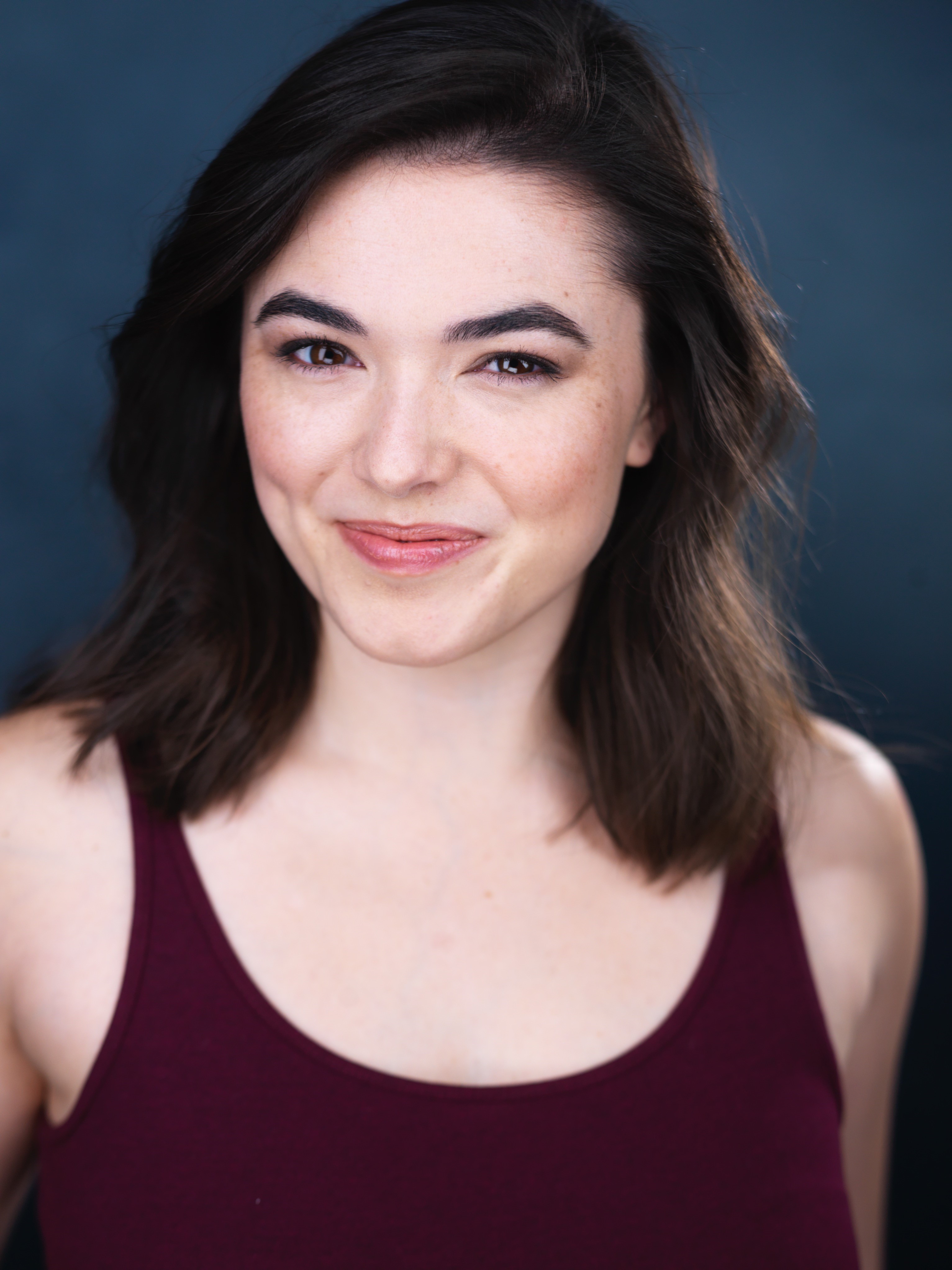
One of the most controversial figures in the British monarchy returns to the throne in this one-woman show promising, at least, a good execution. Guillermo Nazara chats with its performer and writer, to learn all the fun facts about this piece playing with fire in every possible sense.
What prompted you to write a show about this historical character?
I originally wanted to write a musical about the dead wives of Henry VIII. Somehow, everyone else knew that SIX already existed but me. At that point, I had already sunk a bit of time into research, so I went back through everything to see if I could salvage any idea from the wreck. I thought it was interesting that, amid all the information about Henry and his wives, his eldest daughter, Mary, was just kind of…there. She was a somewhat shadowy footnote. That felt like a very fertile area for me – an eldest daughter with 5 stepmothers and a fraught relationship with her father? I mean, that was a story begging to be told. It helped that I saw a lot of myself in Mary as I pushed further into the bones of her story – we’re both eldest daughters, both children of divorce, both high achievers, both older sisters to very fabulous younger sisters. I felt that I could meaningfully share her story because it was already my story in many ways. Minus all the burnings at the stake.
A story of trauma and misunderstanding starring a vicious monarch. It seems as if, lately, there’s a tendency in new writing to put ourselves in the shoes of infamous roles, doesn’t it?
Well, it’s more fun to play the villain, isn’t it?
Will this piece serve as some sort of redemption for the real Queen Mary?
I hope I successfully toe the line here with the arc of the show, but I really don’t see this as a redemption tour for Mary (even though that is baked into the premise of the piece from the character’s point of view). While I, as an audience member, deeply enjoy the trend of making villains the protagonists of the story, I think it can be dangerous to make the message “this person was a victim and thus they cannot be a villain.” People can be both victim and villain – that’s often the cycle of abuse. Rather than redemption, I hope this piece sheds light on the uneven standards by which we judge and label people in history. There’s not only a gendered dynamic in the way that we’ve written off Mary’s story, but there’s also something interesting about how her “villainous acts” are not so different from her “heroic” contemporaries, if you’re going by the numbers. I hope this piece inspires people to engage in history a little more critically. Perhaps not all of our historical heroes should be viewed as heroes.
What’s been the process of creating this show? Have you done any particular research as for what you want to explore?
I read a couple books (I’m sorry to say that I don’t even remember the titles or historians I leaned on in the early days of the process). Perhaps this will be controversial, but I ended up using Wikipedia the most. At one point, I didn’t want to get too bogged down in the exact facts. I wanted just enough of the truth to inspire the theater of it all. Because at the end of the day, I’m not trying to pretend that this is a documentary. It’s theater! I want people to learn about Mary, yes, but I also want people to have an experience that allows them to reflect on their own lives. I want people to be invited to discover something about themselves or the world around them, I want people to laugh! In order to get to those places, I myself needed to free myself from being a faithful historian. Wikipedia was great for that.

How will the story of someone from so many centuries ago resonate with today’s audiences?
People haven’t changed so much over time – we fight with our parents, we have sibling rivalries, we love the wrong people, we make mistakes. Most people today are not monarchs and most of us have not burned someone at the stake, but a good portion of Mary’s story is relatable simply because she’s human.
What challenges have you found, both as creator and performer, in the delivery of this show?
I’m primarily trained as an actor and this show features a lot of improvisation. There are huge sections where, depending on what an audience member shares with me, I have to come up with a spontaneous response (hopefully a joke). I’m the one to blame for this challenge because I wrote the show, but that kind of skill only improves with practice! I’ve definitely become more nimble with that skill set. And I think the improvised sections have helped me continue to love doing this show – at the end of this tour, I’ll have performed BLOODY MARY LIVE about 75 times, and each show was slightly different with often vastly different jokes depending on who was in the audience and what they said to me. That’s pretty cool.
Why come see Bloody Mary: Live!?
I guarantee you’ve never seen anything like it. As a bonus: it’s really fucking funny 🙂
Upcoming performances of Bloody Mary: Live! are available on the following link.