
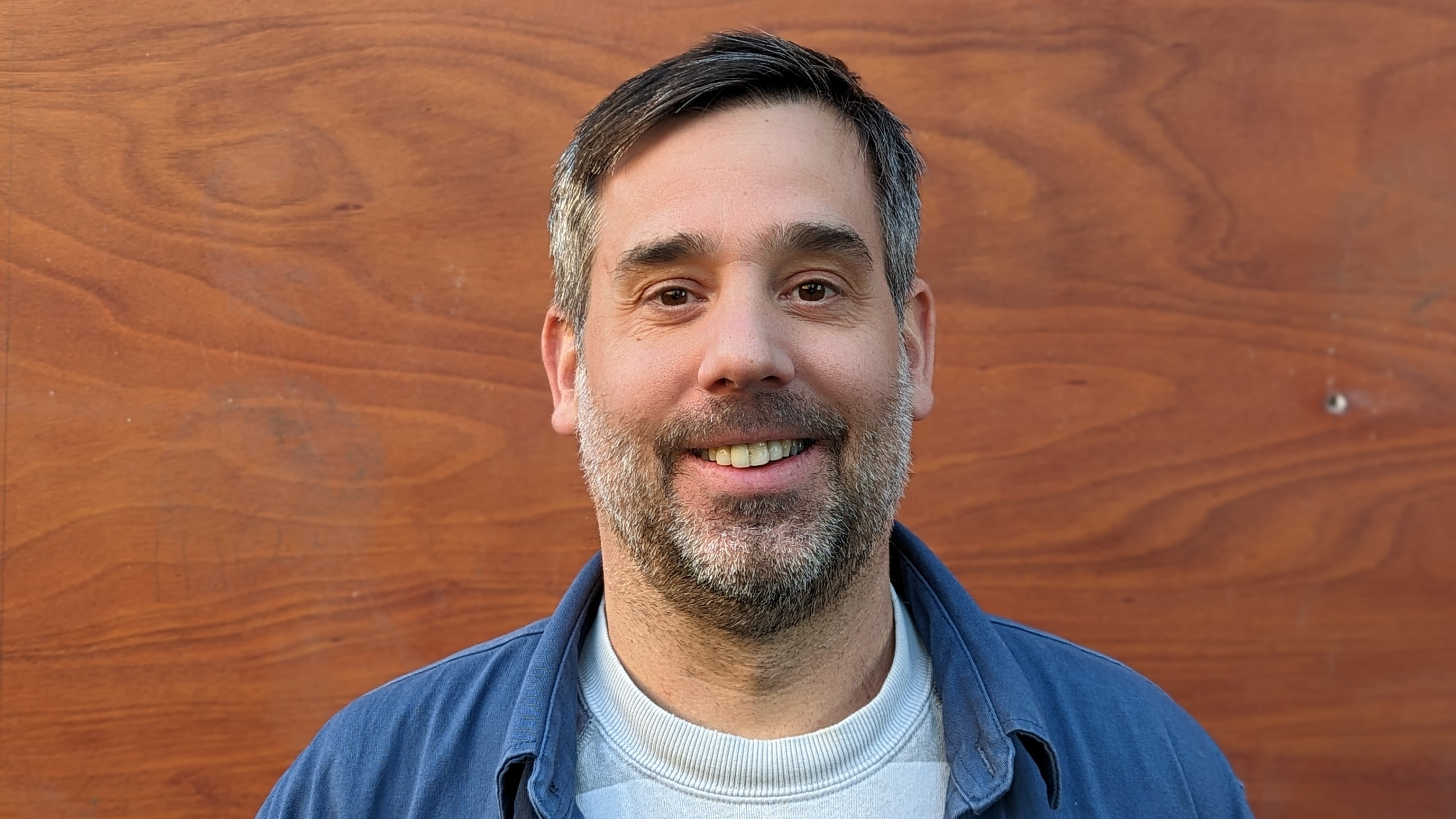
The non-profit organisation continues its mission of spreading new ways of theatre all across the country, through experimental proposals designed to bring closer creatives and audiences of all groups and backgrounds. Guillermo Nazara chats with the man in charge of its artistic zeal, to learn all the fun facts about the development of a programme celebrating the unity of diversity.
How important is the regional spread of your work as well as the message of Without Walls?
It’s vital. As a network we are very deliberate in ensuring the festival partners we work alongside represent modern England – not only to provide a diversity of experiences and insights into what their neighbourhoods and communities want to see, but to also ensure the shows we present reach audiences everywhere. The same thinking is applied to how we curate the programme. We have always fostered and championed collective decision making – we’re seeing it more and more now with more traditional venues. We think it’s key to making work more innovative and also more accessible.
How has the process of selecting and delivering this year’s offer been?
We begin every year with an open call to artists to submit new and exciting ideas. The actual selection process involves much more than people see. On average we present 9 – 13 new works a year and the journey to get there involves months of coordination with many, many people. As you can imagine, there can be a great deal of debate and different opinions when we get in a room together. But ultimately, we have one goal – to move the needle on what outdoor arts can be and the places it can be seen. Finding the right balance of scale, themes and art forms can be a challenge, but we’re really proud of the 2024 shows.

The festival follows the mission of creating accessible shows. Is access vital in every community?
Very much so. Nearly all Without Walls works are free to access. There is no need for a ticket to see them. That is increasingly rare in the age of rising ticket prices. But this is only one element of how we work. We have a dedicated, expert Access Advisor who works with us and all the artists we support to ensure accessibility is embedded within our creative planning. There is no one size fits all approach. One show might support BSL translation, while another will support an audio description or a touch tour. Partners are working outdoors, with small, mid, large-scale staging, in all weather conditions and it’s not always achievable – we also don’t always get it right, but we’re always looking to each other to find new ideas and approaches.
Should art always be accessible?
If you speak to any of the artists we work with, they create work to be seen and experienced by everyone, regardless of background or location. If you ask partners, the majority of festivals take place in areas where an arts and culture provision may not exist without them. Presenting outdoors gives us all the opportunity to remove the barriers that more traditional venues face and enables us to present shows that are truly open to all. That said, even in this context there can be things that stop people from seeing the work, which is why we prioritise making our work accessible. We also support audience development activities helping many other, often unrepresented, communities to experience our work. This includes young people, isolated older people, and other socially marginalised groups. The value of bringing art to people’s doorsteps is often overlooked in our sector, but it’s hugely important if we want to engage the next generation of audiences.

Has the delivery of this year’s programme been accessible to artists too. If so, how?
We are committed to representation and development for artists who identify as deaf, disabled, neurodivergent, and learning disabled, as well those who face other barriers to participating in the programme. We make sure that our open call is fully accessible and can support the access costs of artists who want to apply. Once the programme is confirmed, we hold a welcome meeting, which brings all the artists together. It’s a great way for us to all be around a table and hear directly from each other to share experiences and perspectives. This continues when shows are on tour and many of the artists will be performing at the same festivals. The outdoor arts scene is vibrant, collaborative and connected. We want artists who are new to our sector to feel they are at home.
Has this year’s programme posed any particular challenges?
Firstly, it’s important that we recognise what has happened across the country and across the globe this year. We’re a diverse network and the impact of these events cannot be understated. As an example, the civil unrest and violent protests that happened in August placed artists’ and audiences’ safety at huge risk. When creating work for public spaces, we have to be able to respond and adapt to all events and situations. This could be anything from hateful comments to artists from passers-by to large scale political protest. It can be a challenge to think about all the different things that might happen, and many aspects of what we are responding to today are much more pronounced and affect so many people.

Why come see a Without Walls show?
It’s often said, but rarely true, but there is genuinely something for everyone in our programme. This is not just through the diversity of art form – dance, music, theatre, installation, circus – but through the incredible range of themes explored by the artists. Examples include Bamboo by NoFit State Circus, where performers used Bamboo to build temporary, flexible structures before treating audiences to thrilling circus performances. Another is Closer to my Dreams by dancer and choreographer, Chad Taylor. This show explores Chad’s life experience as a young Black man in Manchester and his determination to follow his dreams of being a professional dancer. Music and narrative are provided on headphones rather than over a PA, creating a wonderful sense of unity and intimacy with audiences. A final example is The Journey by Perhaps Contraption, a musical walkabout show that embedded visual vernacular in order to make the show more accessible for deaf and partially hearing audiences.
Further information and dates of upcoming Without Walls festivals are available on the following link.
Help us continue our work
We count on your support to keep bringing the greatest quality in theatre-related content, from interviews with the biggest names in the industry to reviews of every show in town and beyond.
We appreciate every donation to maintain our high pace and standards and continue to grow.
Thank you for believing in us!
***************************************************