
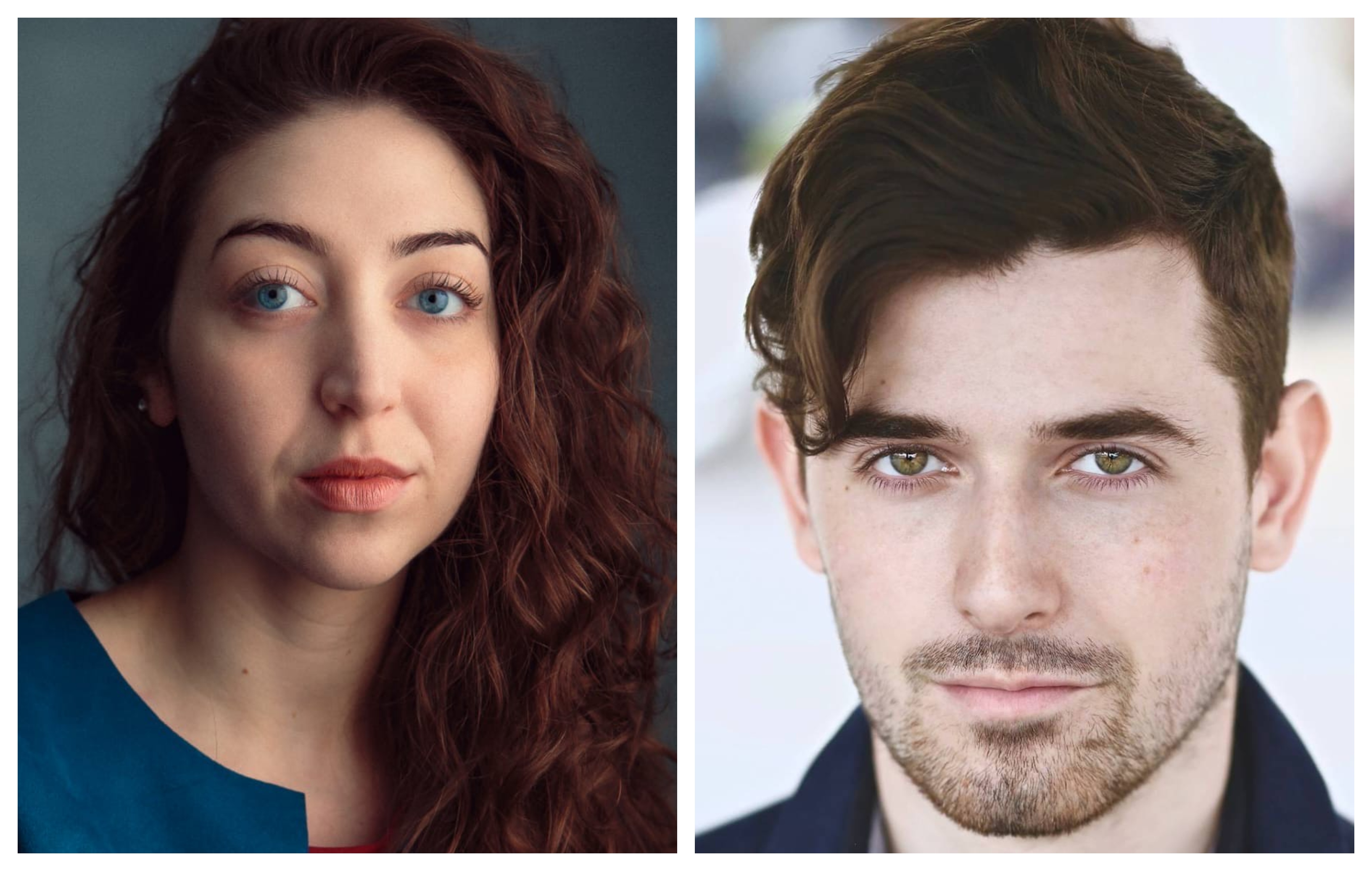
The Greenwich Theatre hosts the world premiere of this modernized interpretation of Mozart’s masterpiece, bringing sci-fi elements into the narrative while also offering new perspectives to its themes. Guillermo Nazara chats with the creatives, to learn more about the development of the production and its papa-papa-papa-genesis.
How does it feel to be bringing one of the most popular operas ever made to the Greenwich Theatre stage?
Honestly, there is an equal amount of excitement and nerves. The Magic Flute is a really ambitious project, especially how we’re envisaging this production. We’ve been working with the Greenwich Theatre for 9 months now, crafting an Emerging Artists programme and forging connections across the industry to bring this production to life. We’ve found some awesome singers, both local and from slightly further afield and have been prepping the amazing community chorus, who have grabbed everything with both hands and are excited to bring Magic to Greenwich. Most productions start with the first rehearsal, but we’ve been building to this for months, and now we feel like we’re waiting in the wings ready to go onstage.
What prompted you to choose this opera in particular?
It started when we were looking for an opera for our emerging artists, most of whom are female-identifying. Perhaps unsurprisingly, we had quite a hard time choosing a brilliant, exciting, and dynamic piece with enough roles for sopranos and mezzo-sopranos! But The Magic Flute, both musically and creatively, presented a brilliant opportunity to show off the stunning vocal skills of our Emerging Artists, their acting, and movement skills, and just allowed us to work on a piece more organically. When we realised that this could be our June production, we really plunged the depths of the score, libretto, and history of the opera and found so many exciting threads to pull on which have previously gone unexplored – of course, the masonic elements, but it also deals with huge questions of power and how it is given, not taken, motherhood and control, and we just couldn’t resist the temptation of challenging the underlying misogyny of its original libretto.

This one of the most staged operas in History. Where, do you think, lies the piece’s ongoing appeal?
There’s so much there for everyone to enjoy – aside from the obvious show-stealing moment for the Queen of the Night, there are brash and bold choral numbers, moments of comedy, spoken dialogue, a love story and the magic element, of course. Mozart and Schikaneder really crammed so much into the piece and so, despite some of the more complex themes, it’s a really accessible opera for all ages. Also, it’s a piece that lends itself to being read in so many different ways, opening up a world of possibilities for directors and designers to have some fun with it, and adapt it to the audience they have in mind.
What makes this production different in comparison to other previous versions?
This production is taking Magic Flute and placing it into a “sci-fi/fantasy” world (though no laser guns, sorry). Not a crazy idea. Then, we’re asking the question “where does power reside?” and “how is it given not taken?”. Questions which The Magic Flute lends itself to. Then we’re questioning whether what we know about good and bad characters is real and packing that all up into an immersive, meta-theatrical dramaturgical package – the challenging part. Inspired by the scholar Brigid Brophy’s study and interpretation of the conception of Magic Flute, we fully leaned into the shift in perspective that she argues happened when librettist Schikaneder decided halfway through the piece that the star-flaming queen should not end up as our good character, but instead Sarastro inspired by mythical demons should. So, the first act is fully Queen of the Night POV, while the second act is following Sarastro’s perspective. We won’t spoil the end…
What particular challenges have you faced from a creative perspective?
This is the first project of this scale that we are doing at Greenwich Theatre, and we are hugely grateful to the team there for making it possible, especially James Haddrell for trusting our vision and welcoming us into the space so warmly. It is definitely an ambitious project and we have worked incredibly hard on finding the fine line between interpreting the libretto and changing it. We are still a young company, and we do not have the luxury to just throw money at a production, so every single detail has to be evaluated carefully and everything that we decided to do/wear/show/use has a profound meaning and dramaturgical role.

What are the prospect for this production after its run at the Greenwich Theatre?
Hopefully, we get a buzz around Greenwich about what we do and how we do it. In terms of the production itself, who knows… we never string these things out for the sake of it, but if people take to it, we would love to enable as many to see it as possible!
Why come see this production of ‘The Magic Flute’?
Other than the stunning performers singing these iconic roles, and the new slant on the 2-sided story, it’s going to be a feast for the senses, and a daring new way of telling this opera. What’s more, a live orchestra (a rarity in smaller houses) and the chance to support the best of Greenwich!
Help us continue our work
We count on your support to keep bringing the greatest quality in theatre-related content, from interviews with the biggest names in the industry to reviews of every show in town and beyond.
We appreciate every donation to maintain our high pace and standards and continue to grow.
Thank you for believing in us!
***************************************************
The Magic Flute will play at the Greenwich Theatre from 20 to 22 June. Tickets are available on the following link.