
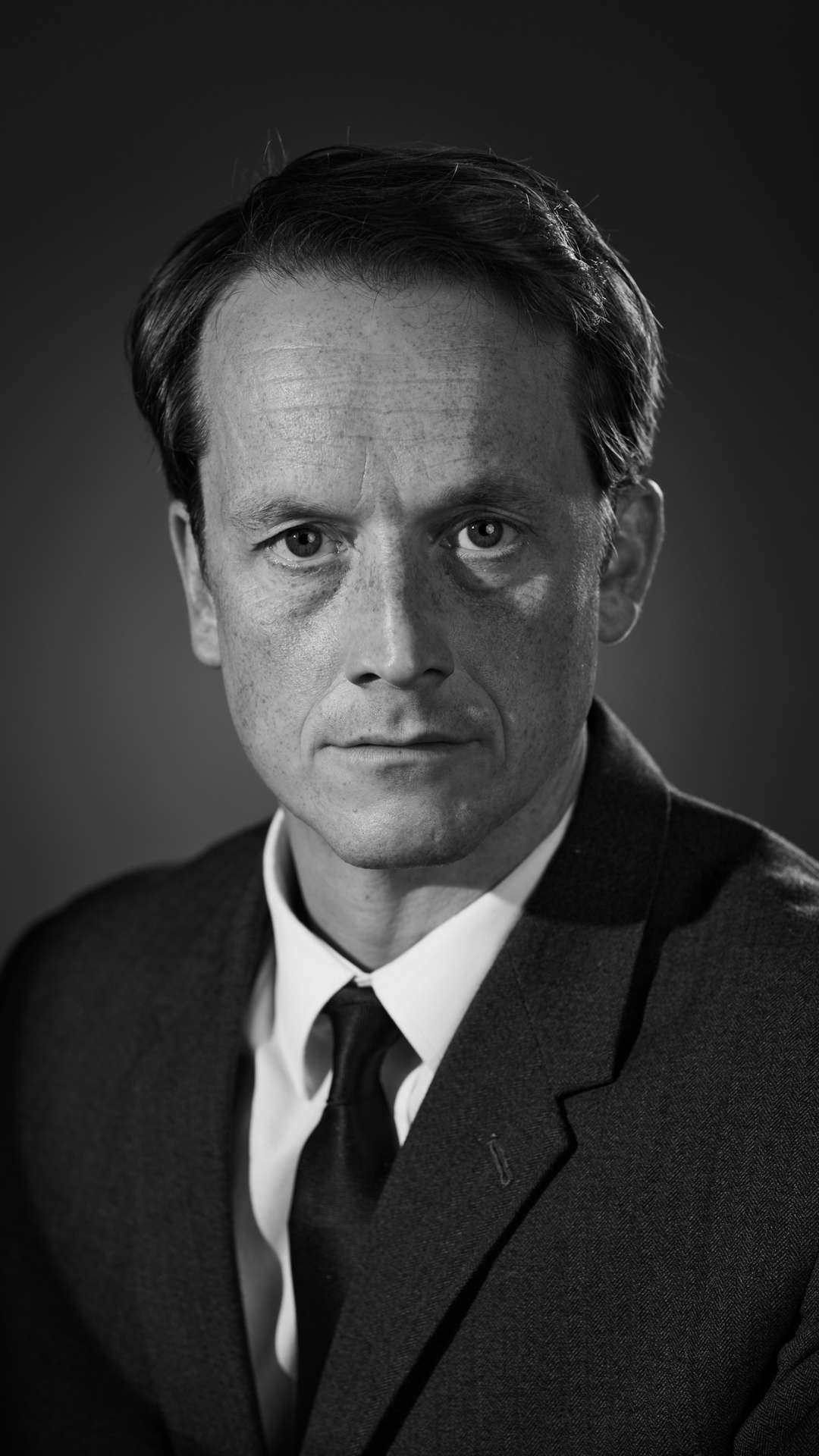
London’s Marylebone Theatre gets ready for the world premiere of Torben Betts’s historical drama about real-life journalist Dorothy Kilgallen’s investigations into the mysterious deaths of three American icons. Guillermo Nazara chats with one of its leads about the show’s issues and how it plans to make headlines while leaving an imprint.
How does it feel to be part of the show’s original cast?
It’s very exciting! I’ve been fortunate enough to do a couple of new writing pieces, and it’s a very interesting process, since the author changes things during rehearsals. There’s a sort of fluidity to it, which makes it thrilling. It’s amazing to come to something at the very beginning because you help create that character, and it’s a wonderful experience.
How involved have you been in the show’s development prior to this production?
I found out I was doing this role about four days before we started rehearsals. Of course, they’ve done workshops and readings before, and I know the creatives have been working on it for years, but I’m very fresh to it. It’s very stimulating not only to play someone with a different accent and on the opposite side of the world, but also a real person. Bringing all that on the first day of rehearsals with such short notice can make it quite challenging!
What enticed you to be part of the show?
I was sent the script and spent the evening reading it. I think the idea of following a real journalist, Dorothy Kilgallen’s, journey and the conspiracy theories attached to all these famous characters is what makes it so compelling. The great thing about good conspiracy theories is that they intrigue you and make you question facts. That’s what it’s in its play: information gathered from all these different people that will make audiences question what they know and what they’ve been told in the past, especially because all the data comes from pretty valuable sources.

Is the play intended as a comment on how we operate as a society with fake news or will it shed some light on the facts?
The interesting thing about this play is that people will have discussions about both: is the play casting more doubt and creating more confusion, or the opposite? I think this play will also encourage people to look deeper into things. You can’t just take surface value on what you’re told, which is something very common nowadays. I think the play will power people and enable them to do whatever they consider it’s the right thing to do, while raising the point that it’s fundamentally important that there are people out there questioning everything. We cannot believe everything we’re told. Otherwise, very dangerous things can happen. And I think the role of journalism and how it challenges power is some of what this play is getting at, combined with the risks it entails.
What’s been your research process to portray Bobby Kennedy?
At the moment, I’m getting through a biography about him to get a broader picture of the character. I knew a little more about his brother, JFK, but I wanted to get more information about Bobby and his upbringing. In the play, the speculations surrounding him happen at a very specific moment in time, so finding out where he’s coming from helps me with the characterisation.
There are also a fair number of YouTube videos featuring his interviews and speeches. He had a very distinctive voice. And the phone conversations with his brother are also quite interesting.
All in all, I’m trying to compile all this information while being aware that I must present this play and not my research. You must use your research to support what you’re doing, never to block the dramaturgy. I’m trying to blend both things together at the moment.
What’s very interesting about his public appearance is that it was very deliberate. Bobby would put on his best voice for his speeches and interviews, but it was slightly different in private. The Kennedys were not very passionate people: they were very calm and well-mannered. However, there’s a lot of stuff in this script that’s quite emotional, so I need to find a balance.
Are you taking any artistic licenses in your portrayal to make the narrative work?
All the scenes featuring my character are speculations by Dorothy Kilgallen. It’s what she believes happens. My artistic license is closer to what she would think Bobby would be capable of rather than what he would actually do. She’s speculating that he’s not quite the person everyone thinks he is, so the artistic license is in the very nature of the narrative.
One of the highlights of this production is its legendary director, Trevor Nunn. What’s the experience of working with him like and what have you learned from it so far?
He’s one of the largest names in the theatre, and working with him is very exciting. And despite his status, he’s incredibly approachable. His energy for the creative process is absolutely wonderful, and it’s genuinely lovely to be in the rehearsal room.
I think the key is to it is to use him as a source of that energy, creativity, and knowledge. And at the same time, it’s important to have the confidence to present him with ideas you have come up with rather than just waiting for him to tell you what to do, because he can shape them as well.
In addition, his laser focus on text and words, which comes from years of working with Shakespeare, is remarkable: going through each line, understanding the stresses, the antithesis, etc., as the basis for your character to come out. He’s brilliant at helping you understand the points both your character and scenes are trying to make.
Now that we’re up on our feet and blocking the play, we’re creating a road map of the whole play. And in the next few weeks, we’re gonna grow that to inhabit that world and embody those characters a little bit more. But it’s all in that foundation and the reassurance of Trevor being there and knowing everything by keeping his focus.

Have you found any additional challenges in this role?
Serving this play specifically, because it has so many layers. It features a real world with real people and real information. But at the same time, they’re all blended into a fictionalised version. Additionally, making sure that you’re working with the other actor is also challenging, so you don’t get caught up in presenting your character, but instead focus on presenting this deeply layered world. All in all, it’s a juggling act. And that makes it very unusual compared to what I’ve done in the past.
Are there any highlights in the show that you would like to flag?
I’ve got to be careful not to spoil any moments. But what I can say is that the play is brilliantly structured, and it masterfully builds layer upon layer of things you think you might know. But then, you’re given bits of surprising information that will lead to a lot of discussion.
If you had to give me one single reason to come see Speculations, which one would it be?
Because this play will challenge what you think you know about how power is used in the world that we live in.
Help us continue our work
We count on your support to keep bringing the greatest quality in theatre-related content, from interviews with the biggest names in the industry to reviews of every show in town and beyond.
We appreciate every donation to maintain our high pace and standards and continue to grow.
Thank you for believing in us!
***************************************************
Headshot credit to Robert J. Wilson.
Speculations will play at London’s Marylebone Theatre from 30 October to 3 January. Tickets are available on the following link.