
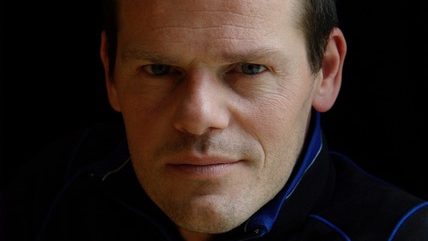
Following last year’s successful original run, the family-friendly adaptation of Mozart’s signature opera embarks on a second tour for the 2026 holiday season. Guillermo Nazara chats with the show’s lead creative about its inception, development process, and how a 200-year-old piece can still resonate with the youngest audiences.
How does it feel to bring the production back for another year?
We are delighted to be back on tour with The Magic Flute. Last year’s debut was an enormous success and bringing it to more people and places around the country is so rewarding. We are also very excited to perform at our home base, Woolwich Works on 5 December.
Why have you chosen this classic in particular for this family show?
A few years back, I directed and choreographed the opera in Italy, and I immediately felt intrigued about turning Mozart’s masterpiece into a family-friendly dance theatre show. Then the opportunity came when The Place and DanceEast (who previously commissioned Protein’s adaptation of The Little Prince) asked me if I was interested to make a new family show and if I had a title in mind.

Is the show intended to entice the youngest into becoming the new generation of opera goers?
Interestingly, a recurring audience’s feedback is that the show introduces and makes opera accessible to children. I take this a huge compliment, especially as we have incorporated some well-known arias and musical motives in a dance theatre show. Whether the young ones who come to our adaptation of The Magic Flute will become the next generation of opera goers or not, what’s brilliant is that they look so captivated and entranced by a different way of expressing emotions and storytelling. They love the Queen of Night’s arias, and some even emulate her singing as they leave the auditorium.
What alterations have you made to the original work and what are the reasons behind it?
Turning a full two-act opera, with a super complicated plot, into a 70-minute-long theatrical experience for families requires a great amount of editing and adaptations. The plot clearly needed to be simplified, and the long cast list reduced to its main protagonists. At the same time, it was important to follow the opera’s musical and dramaturgical flow, highlighting the main story lines and the protagonists’ emotional journeys. In collaboration with an extraordinary group of creatives and performers, the intent was to breathe new life into a classic fairy tale which is still capable of engaging an intergenerational audience with its drama, comedy, and morals.

The production features rearrangements of Mozart’s iconic score combined with new music by Frank Moon. How has Mozart’s music been reimagined and how will Moon’s contributions supplement it?
Working with Frank, who also created the music for The Little Prince, was truly fascinating. Mozart was in the room, of course, and we had to study and understand the original composition before making any decision. We could have chosen a different approach, and use more new music, but we soon realised how the original score was intricately connected to the characters’ journeys, their words, lyrics, and emotional trajectories. Frank masterfully rearranged Mozart’s music into a more folky score, which for me further enhanced the different dramatic and comedic elements of the plot. Throughout the show, the music really tells you where we are and what’s going on. This deep knowledge and respect for the original score also allowed Frank to choose the right instruments and to create some new music that aligns so beautifully to the original composition.
What particular challenges have you faced in the making of this show?
We were faced with multiple challenges, mainly due to confronting with a classic from a different genre, and with some dated and inappropriate lines and situations in the original libretto. However, these challenges helped us identify how to retell the story, making it relevant and fascinating to our audiences, but without sacrificing the strengths and genius of an opera that has survived for so long.

Are there any highlights that you would like to flag?
There are many highlights, starting from the outstanding cast (soprano Donna Lennard, dancers Nathan Bartman, Jacob Lang and Mette Nilsen), Frank Moon’s arrangements, Dick Bird’s set and costumes, and Rachel Shipp’s lighting. In particular, I’d like to mention the important role played by the animated captions created by Douglas Baker. For a show of this kind, where words, lyrics, and intricate storylines accompany and inform the story, creative captioning has become more than an access tool, but an integrated part of the narrative.
Why come see this version of ‘The Magic Flute’?
I am biased but come and see The Magic Flute because it’s a great, inclusive, and magical show for everyone. There’s a lot to discover, enjoy, and take away as the story unfolds and moves from darkness to light, celebrating perseverance, friendship, and love.
Help us continue our work
We count on your support to keep bringing the greatest quality in theatre-related content, from interviews with the biggest names in the industry to reviews of every show in town and beyond.
We appreciate every donation to maintain our high pace and standards and continue to grow.
Thank you for believing in us!
***************************************************
Production pictures credit to Jane Hobson.
The Magic Flute is on tour across the UK until 5 December. Tickets and dates are available on the following link.