
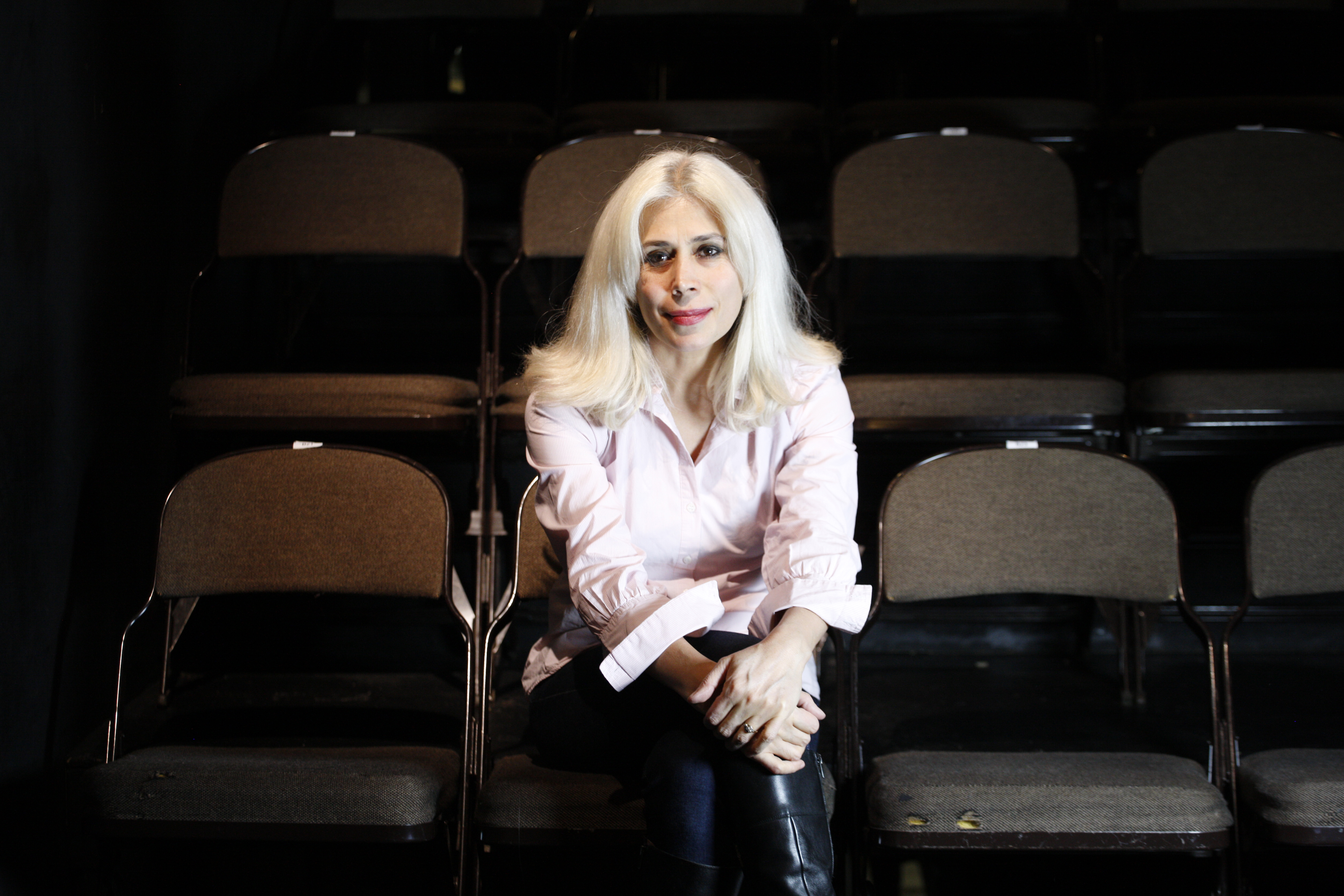
Ece Temelkuran’s internationally acclaimed road novel drives into the London scene for the very first time, through this upcoming adaptation celebrating its world premiere at the end of the month. Guillermo Nazara chats with its dramaturg, to learn all the fun facts about the the show’s development, as well as the messages of a book its viewers will be invited to take a page from.
How does it feel to be bringing such a striking tale of resilience to the stage?
It’s incredibly rewarding to bring a story like Women Who Blow on Knots to the stage because it showcases resilience on so many levels. The four female characters endure not only personal struggles but also navigate through political upheaval, societal exclusion, and displacement. They lose everything and have to find home in new territories. There’s a unique power in telling women’s stories from the Arab Spring, and bringing these voices to life on stage feels like a responsibility but also a privilege.
A story set in a time that changed the course of History for good. Is this play meant to change the world in some way too?
I hope so. This play highlights issues in the Arab Spring that still persist today—migration, exclusion, displacement, and belonging. If we can get people to think about these themes, reflect on the struggles migrant women face globally, and perhaps see how they can support or enact change in their own way, then the play will have achieved something.

Does the success of the book pose an additional challenge in your work as an adaptor?
Yes, adapting a successful novel always comes with the challenge of doing justice to the original material. With such well-known material there is an expectation to honour and present the characters and relationships truthfully, whilst also balancing how to present the story in a theatrical setting.
What’s the process of adapting the book been like?
Adapting the novel was both intense and fulfilling. The process required a deep understanding of the material—getting to the heart of the characters’ journeys and translating that emotional depth into dialogue. There were challenges, particularly in maintaining the momentum of the road trip structure and keeping the poetic elements in the text. All in all, it was a rewarding experience bringing this story from page to stage.
Have you faced any other challenges from a creative perspective?
One of the biggest creative challenges was adapting the novel’s sense of movement. Since the story takes place across borders and is constantly in motion, we had to find ways to make that fluidity feel natural on stage. Another challenge was balancing the personal stories of the women with the larger political and cultural context—making sure neither was overshadowed.

Have you included any new additions of your own into the story or characters arcs at all?
Yes, in certain places. While I stayed faithful to the essence of the novel, there were moments where I needed to make adjustments for the stage adaptation. The process of adapting a novel requires a different mindset than writing an original play, so I found myself developing some new elements that could help support the narrative onstage.
In a time where political division has become the norm, how will this play try to bring a sense of unity among its viewers?
This play is about unification rather than division. It focuses on women’s solidarity, on recognizing their shared struggles, and on daring to have a voice. The story shows that women, regardless of their background or political situation, have always had the power to affect change. I hope this sense of connection and shared resilience resonates with the audience and sparks conversation about the issues women face around the world.

Are there other messages you’ve tried to convey through this piece?
Yes, one key message is about the enduring strength of women. One thing the book reminded me is that 3000 years ago, women were far more proactive and often had significant roles in society. This play is a reminder that while we live in a technologically advanced world, women still face the same struggles to claim space, power, and recognition.
Why come see Women Who Blow on Knots?
This is a powerful story about freedom, resilience, and the bonds of friendship between women. It’s a chance to witness a unique narrative of female empowerment set against a backdrop of revolution. If you want to experience a story that challenges, inspires, and showcases the incredible strength of women, then Women Who Blow on Knots offers just that. And don’t forget to dance at the end!
Women Who Blow On Knots plays at London’s Arcola Theatre until 23 November. Tickets are available on the following link.
Help us continue our work
We count on your support to keep bringing the greatest quality in theatre-related content, from interviews with the biggest names in the industry to reviews of every show in town and beyond.
We appreciate every donation to maintain our high pace and standards and continue to grow.
Thank you for believing in us!
***************************************************