
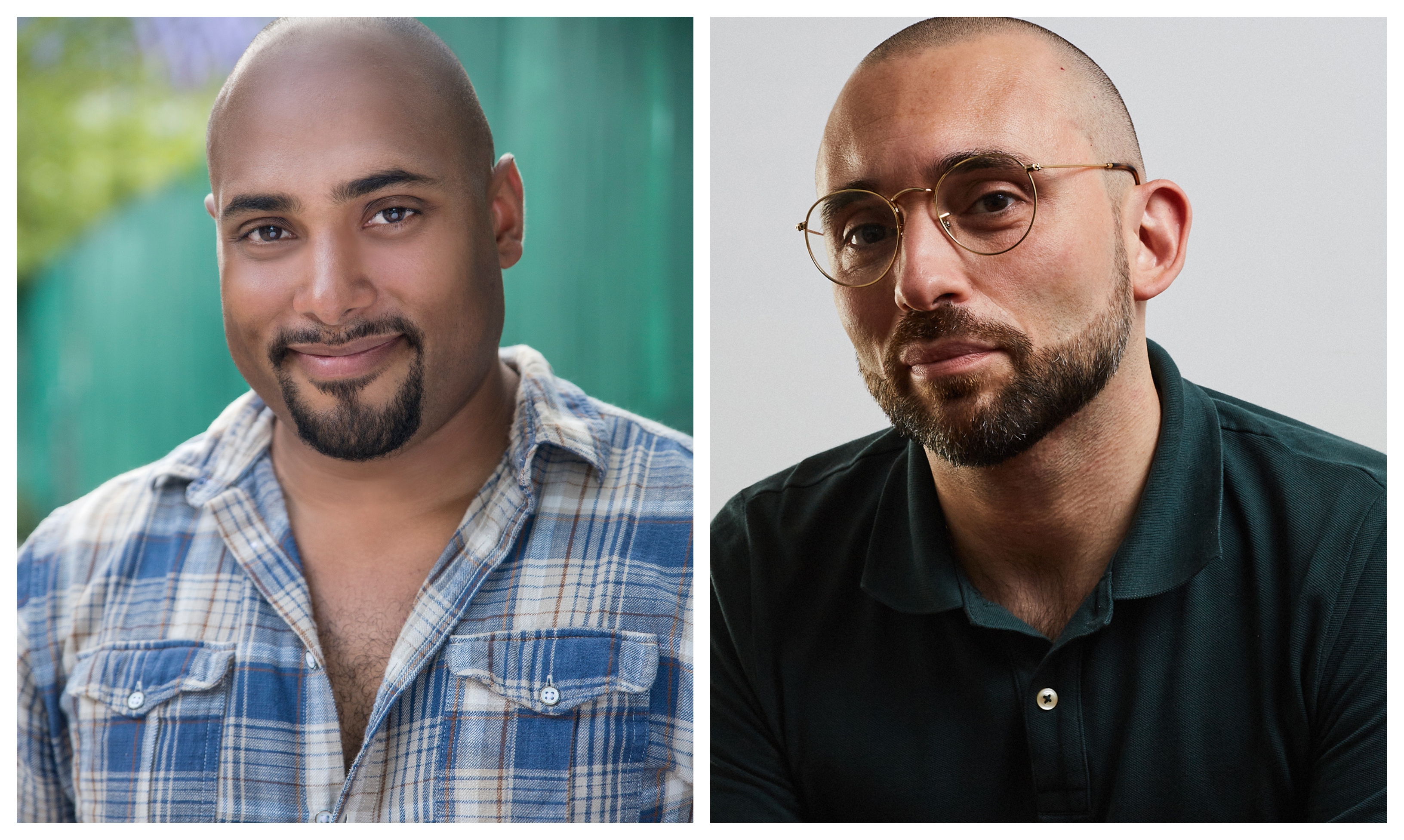
London’s The Other Palace sets up the catwalk for the English-language premiere of this musical satire on the beauty and entertainment industries. Guillermo Nazara chats with the people who’ve modelled the piece, to learn all the details about this pageant-themed comedy you probably shouldn’t give a miss.
How did the idea for this show come about?
Oliver: This musical was originally conceived in Italy and had a whole other life. Then, I was approached to adapt the concept to a British audience. From there, we made changes to the framing devices, but the ultimate concept remains the same.
Tobia: The show, in its original Italian version, was created to humorously mock the Miss Italy competition, which in many ways is outdated and currently experiencing a drop in viewership, but in other ways is still widely followed and representative of many aspects of the country’s culture. While writing, we realized (though perhaps we already knew!) that writing about it meant writing about the representation of femininity through state television, and thus reflecting on stereotypes and prejudices that are still very prevalent. This version is very different, it has evolved over time, and for the better, thanks to the arrival of new authors. It has been a true rewriting, but I believe it still retains much of the original drive.
A musical exploring societal taboos through a tale of capitalism going wrong. It seems like audiences are in for a crazy ride, right?
Oliver: Without question! Our audiences will be shocked, tickled and coerced to laugh at things that they probably should not laugh at. But that’s what satire is all about. It’s about presenting the truth in a heightened state. It also comes at a unique time. The world as we know it feels like an absurdist drama so I think there is space for shows like this. They are important to help us reflect and ultimately make sense of it all, in a weird way. But to all those that buy a ticket, brace yourselves!
Tobia: It is definitely a crazy show, a kind of monstrous cartoon come to life, structured with the tight and ruthless format of reality shows. We sought the best form to tell how everything today risks turning into a product: values, dreams, emotions, personal experiences.
What would you say are the cultural taboos that, in general, define today’s society?
Oliver: Gender, religion, sexuality, social class, identity, race, freedom of speech, who we can make fun of, who we can’t make fun of… Have I missed any? We touch on almost all of the things that should really be talked about. The show naturally has a position on how capitalism has adopted these issues and then sells us back the product that fits our demographic, but nothing changes. One of the main taboos is free speech. Censorship is the death of art, and the show actively tries to create a conversation, naturally through comedy.
Tobia: In a sense, I would say the taboo of still having some taboos – and suddenly discovering that we are not as inclusive, audacious, welcoming, aware, and progressive as we believe ourselves to be. Accepting the possibility that we can be the bad ones, that we can be on the wrong side, is still a huge taboo. And I fear it will continue to be: the enemy will remain out there for a long time, and we will be firmly entrenched behind the conviction that we are acting for the best.

How would you describe the comedy in the show?
Oliver: Funny………………..! Dry, relentless, unforgiving and appealing to our darkest nature. Farcical, fantastical and fiercely physical. It is a unique blend of musical theatre, blended with the candor of stand-up comedy. A unique amalgamation… so you know… Funny!
Tobia: It’s humour that spares no one, and it’s an element I’m very proud of. There’s irony and there’s self-irony, a lot of shots are taken, yes, but shots are taken at everything and everyone. And in a sense, incredible as it may seem, there is no judgment.
How close to reality have you intended to keep the show?
Oliver: We are as real as any reality tv show. (Wink)
Tobia: Exactly, life is told as it is filtered through the ruthless meat grinder of a reality show.
As writers, how challenging has it been to create a piece that offers a comment a society but must feel light and entertaining at the same time?
Oliver: It is hard to know what an audience will think as this is its first time being presented in the UK. You hope that they will see the material the way you want them to and that you as the writer have not pushed the audience to the point of alienation. It’s a delicate process that we need to create with our director. All great comedies walk this line, so all you can do is write what you think is important or funny and pray to whatever deity you believe in that what works for you…. works for people buying a ticket.
Tobia: I believe that entertainment and social criticism are not so far apart, and not necessarily enemies. Entertainment genres like comedy and musicals can be perfect ‘Trojan horses’ to convey controversial issues of our present. As we learned from Aristophanes, “laughter can have a truly subversive power!”. The audience lowers its defenses and is more receptive to darker, less flattering content.
How has the developing process been like? Have you found any additional challenges from a creative perspective?
Oliver: New projects always have their changes, and teething problems. We have conducted several workshops which have led us to this moment. You never know if a show is ready or not, and you do your best to get things ready. Time and money are luxuries of the rich and influential, and I can say with surety we have neither as writers. When opportunities present themselves, you do what you can to take full advantage. It is a privilege to have the production team that we have, who share the great passion we have, a creators, for making new things.
Tobia: I agree with all of this. And I would add the pleasure and freedom of working with a wonderful team, thinking about building a story for a single performer. A sort of musical monologue that plays with different genres: musical, comedy, stand-up, monologue. Writing for just one actress may seem limiting, but paradoxically, it offers great freedom and many possibilities – the opportunity to create a narrative that presents (affectionate) challenges both to the director and to the performer.
Why come see Miss I-Doll?
Oliver: Why the F&*^ would you not want to see the craziest one woman show to hit an off-West End stage since Fleabag? Come see a tour de force of acting, singing, dancing and satire! Come for the laughs and come for the cries, come for the reality TV of it all, and come and see an Idol be born. Come to be the one to say “I saw it first!”.
Tobia: To discover how hearing the truth can be embarrassing… and fun!
Help us continue our work
We count on your support to keep bringing the greatest quality in theatre-related content, from interviews with the biggest names in the industry to reviews of every show in town and beyond.
We appreciate every donation to maintain our high pace and standards and continue to grow.
Thank you for believing in us!
***************************************************
Miss I-Doll will play at London’s The Other Palace from 18 February to 9 March. Tickets are available on the following link.