-
Review of ‘At The Statue of Venus’ and ‘La Voix Humaine’: “It’s not just about saying it”

The Grimeborn Opera Festival reaches its final stages with a double performance of contemporary new classics. Guillermo Nazara shares his views on the show, to let us if these love pieces actually came too hard hearted. Love is blind. Well, f*ck you too, you self-consciousness-triggering bitch. Oh, come on, are you gonna tell me now…
-
Review of ‘The Merry Wives of Windsor’: “So long, lover boy!”

The Arcola Theatre opened last week the 2023 edition of the Grimeborn Opera Festival, starting with a visually reinvented production of Otto Nicolai’s most succesful piece. Guillermo Nazara shares his views on this montage featuring an queer-inclusive company, to let us know if this marriage of songs and drama has made it smoothly down the…
-
Review of ‘Duck’: “The player bowled over”

Courage and resilience fuel this inspiring story about personal overcoming and self determination. Guillermo Nazara shares his views on this piece dealing with the struggles of an Indian cricketer trying to work his way through school and family, to let us know if this is a show to come see off one’s bat. Prejudice is…
-
Review of ‘The Mistake’: “Somebody had to make it”

One of the most horrific episodes in recent history relives onstage through the words and eyes of those who stood before it. Guillermo Nazara reviews this play dealing with the massacre of the Hiroshima bombing, to share this thoughts on this in-depth analysis about the people that lived through the terror but also the ones…
-
Review of ‘Dinner with Groucho’: “Too much fandom onstage”

Irish troupe B*spoke Theatre Company lands in London for a strictly limited season to revive its latest gamble, starring two of the greatest artists (of very different kinds) of the last century. Guillermo Názara reviews this new hybrid of play and musical, to share his thoughts on this story dwelling in both the realms of…
-
Crítica de ‘Dinner with Groucho’: “Demasiado fandom sobre el escenario”
La compañía irlandesa B*spoke Theatre Company aterriza en Londres durante una temporada estrictamente limitada para revivir su última apuesta, protagonizada por dos de los más grandes artistas (de muy distinta índole) del siglo pasado. Guillermo Názara revisa este nuevo híbrido de obra teatral y musical, para compartir sus reflexiones sobre esta historia que habita tanto…
-
Review of ‘The Poltergeist’: “A clash of souls”

Philip Ridley authors and stars in this one-man show dealing with the unrestrainable hate feeding the foundation of a seemingly loving familly. Guillermo Názara tells us his thoughts on the play – where hauntings happen, but in another kind of way.
-
Crítica de ‘The Poltergeist’: “Un choque de almas”
Philip Ridley es el autor y protagonista de este espectáculo unipersonal que trata del odio irrefrenable que alimenta los cimientos de una familia aparentemente amorosa. Guillermo Názara nos cuenta su opinión sobre la obra, en la que los fantasmas se suceden, pero de otra manera.
-
Review of ‘L’incoronazione di Poppea’: “Dark seduction”
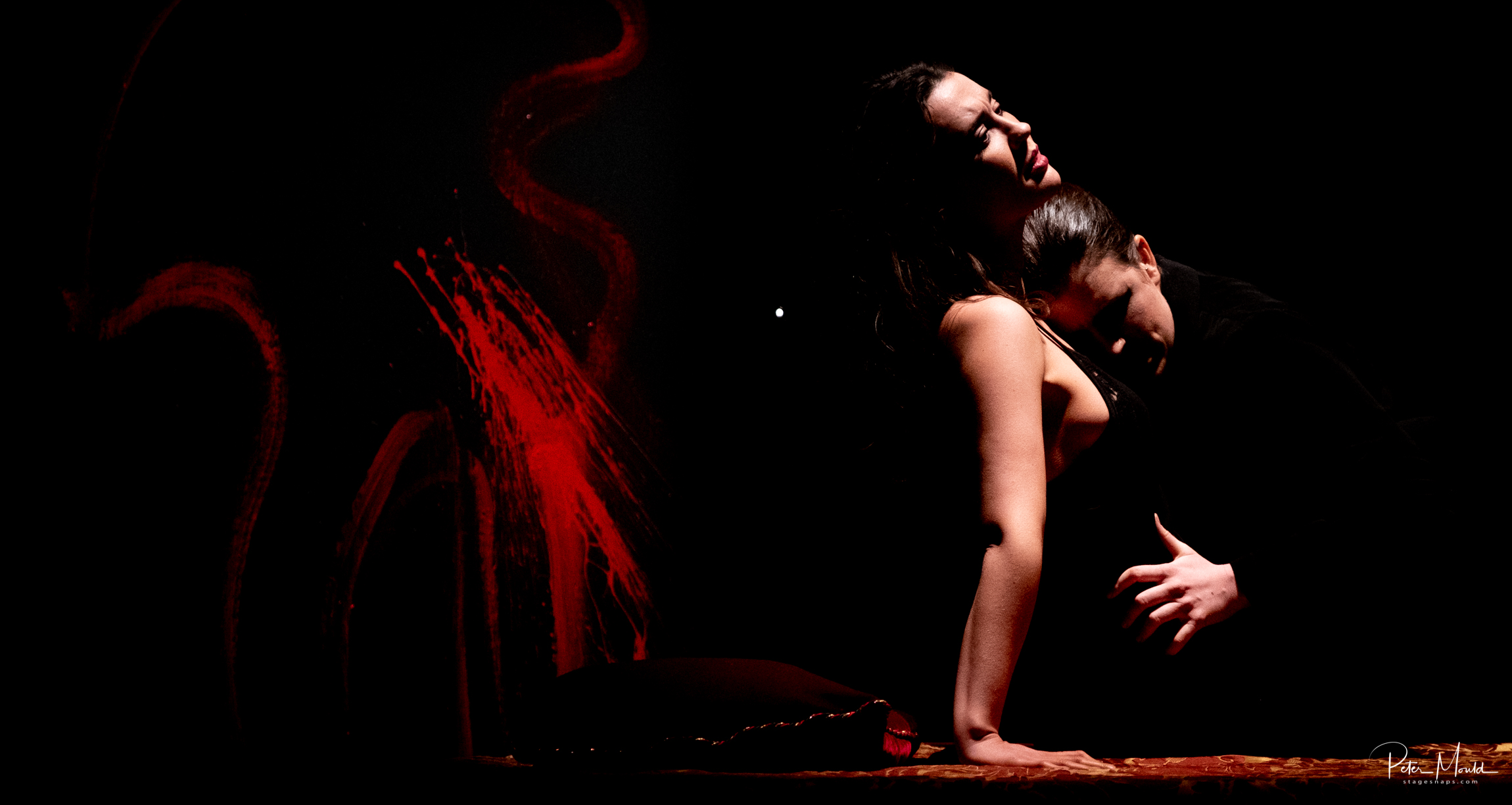
Last week, the Arcola Theatre inaugurated its summer opera festival with a new take on one of the very first classics in all of the genre’s history. Guillermo Názara tells us about his experience at the opening night of this reinvisioned production by the Ensemble OrQuesta, where tradition and avant-garde meet in a epic tale…
-
Reseña de ‘L’incoronazione di Poppea’: “Sombría seducción”
La semana pasada, el Teatro Arcola inauguró su festival de ópera de verano con una nueva versión de uno de los primeros clásicos de toda la historia del género. Guillermo Názara nos cuenta su experiencia en el estreno de esta producción reinventada por el Ensemble OrQuesta, donde tradición y vanguardia se unen en una historia…
